
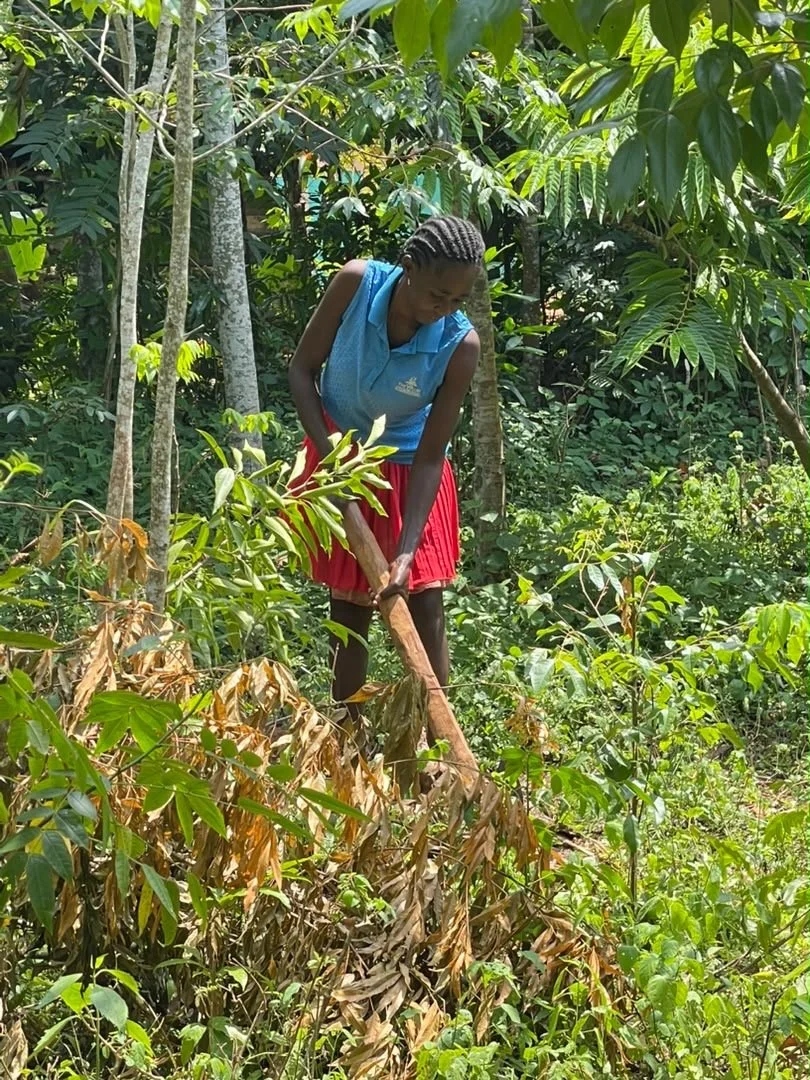
BIODIVERSITY IN CAP ROUGE
The land is a living archive. Grown in Haiti records the species coming back to the farms, forests, and water systems of the Cap Rouge mountains, and the ones that never left.
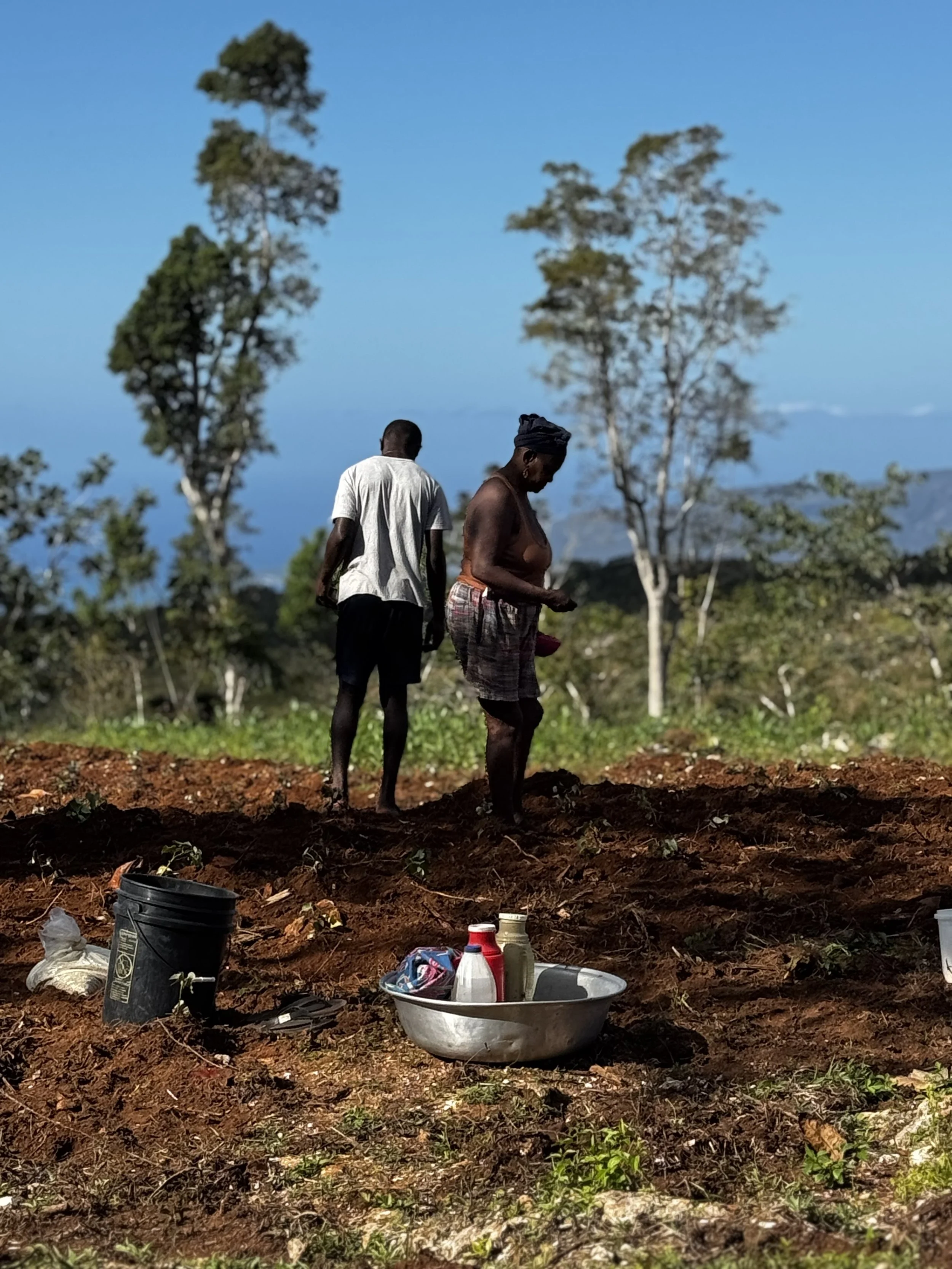
WHY BIODIVERSITY MONITORING MATTERS
Monitoring helps us see whether restored soils, farms, forests, and water systems are supporting a richer web of life. Field evidence also shows where conservation work needs to adapt.
We combine observations from the land with community knowledge, building a public record that can guide long-term restoration in Cap Rouge.
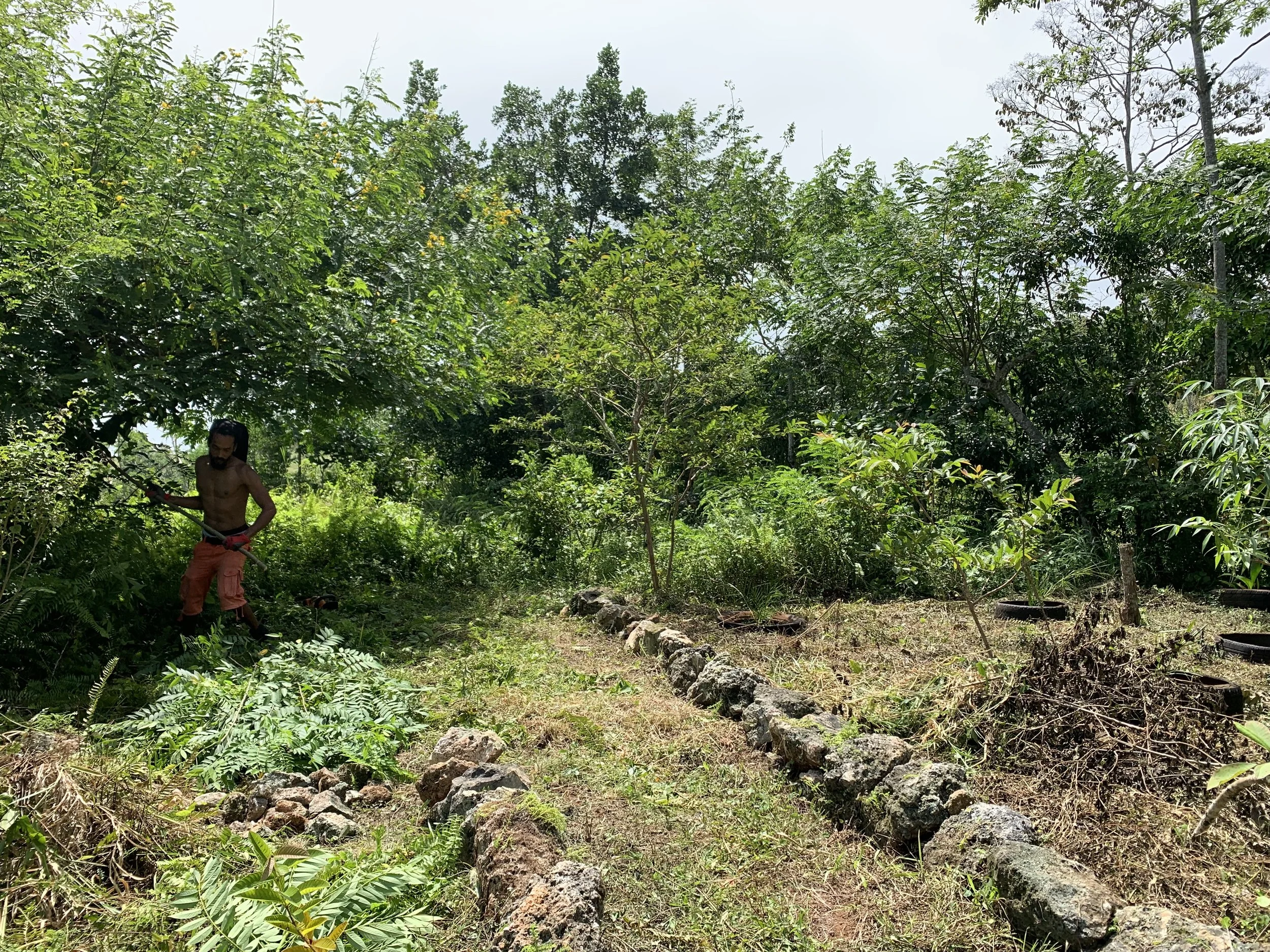
HOW WE MONITOR
We combine public observations, remote cameras, and habitat assessments to understand how biodiversity is changing across the landscape.
iNaturalist Field Records
Species, habitat, soil, and water observations are logged during ongoing fieldwork and shared through Grown in Haiti’s public project.
Camera Traps
Approved wildlife images, dates, and broad locations will appear here as monitoring expands.
Habitat & Restoration
HOW WE READ THE LAND
FIELD OBSERVATIONS
Species, habitat, soil, and water observations gathered during ongoing work in Cap Rouge.
CAMERA TRAPS
COMING SOON: This space is reserved for approved wildlife images, dates, and locations.
COMMUNITY KNOWLEDGE
Local farmers help identify changes that formal monitoring alone can miss.
PUBLIC RECORD
Observations are collected in the Grown in Haiti iNaturalist project, creating a growing record of local biodiversity.
WHAT WE ARE LEARNING
Future updates will connect habitat recovery, regenerative farming, and changes in species presence.