
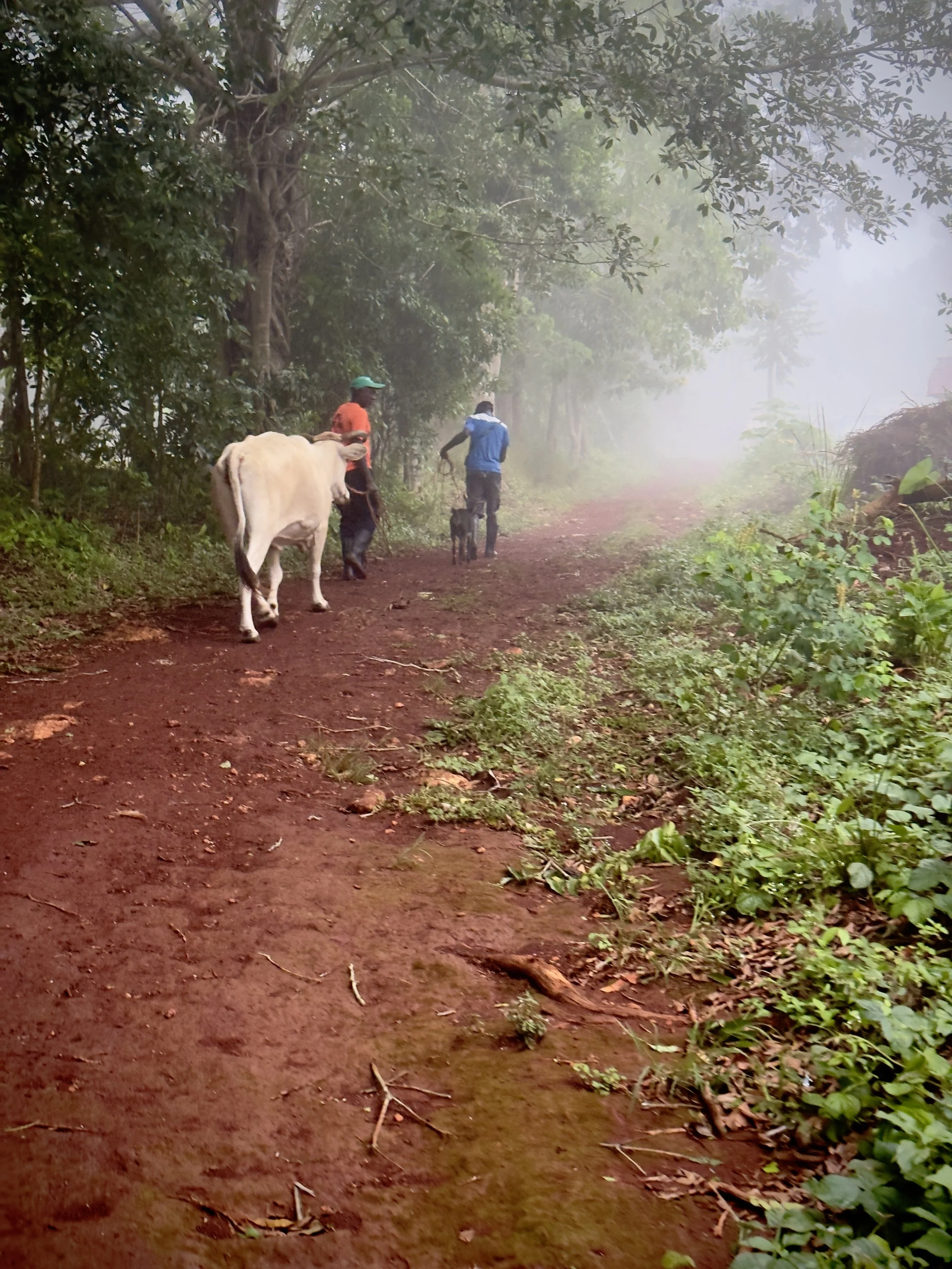
the Farmer was here first
Before there was a program, there were farming families feeding their communities from the same hillsides their parents farmed. They were not waiting to be helped. They were already working. Most agricultural aid is built on the assumption that farmers need to be fixed. We start from a different place. The families we work with in Cap Rouge are skilled, knowledgeable, and deeply connected to this land. Our role is to support that, not redirect it.
How the work moves
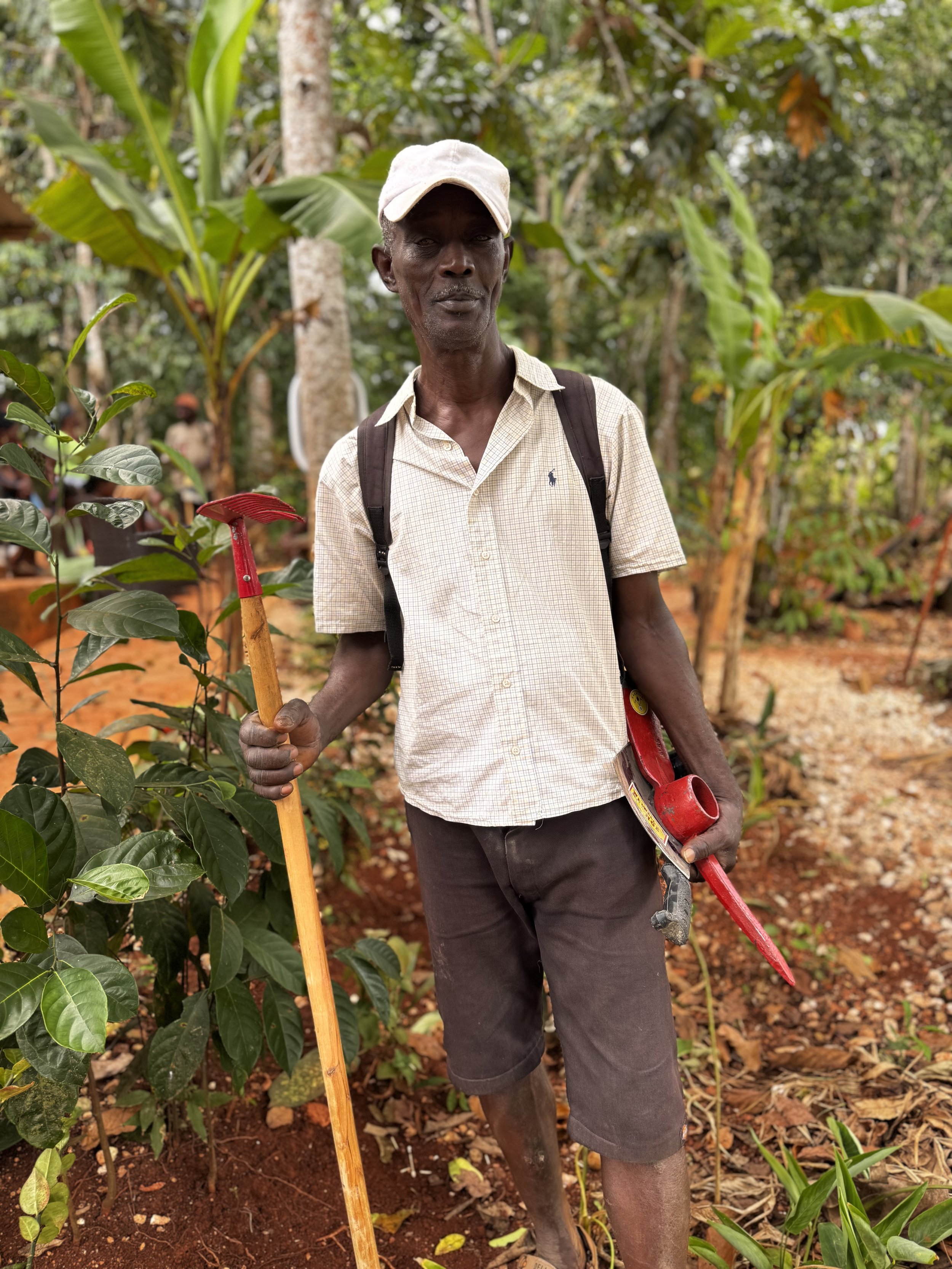
The Farmer Support Program is how regenerative practices move from our demonstration systems into the fields and hillsides of Cap Rouge. It is the connective tissue between what we grow together and what takes root across the landscape.
Farmers here are not recipients. They are practitioners, stewards, and teachers. We do not come in with a fixed model. Support is shaped by the needs of the land, the goals of the farmer, and the practices already taking root in each place. We resource what families are already doing, fill gaps where they exist, and make sure people have what they need to keep going.
What Farmers Receive
-
Native and productive trees
Seedlings grown in our nursery, selected for ecological value and food production, freely distributed to farming families across the region.
-
Seeds from Our Living Seed Bank
Saved seeds from the best performers of each season, passed between neighbors the way they always have been, without cost and without conditions.
-
Hands-On Agroforestry Training
Field-based training in syntropic agroforestry, soil restoration, and water management, delivered on the land rather than in a classroom.
-
One-on-One Field Guidance
Direct support from our team tailored to each farmer’s specific land, goals, and season. We observe together, plan together, and adjust together.
-
Tools and Materials
Practical hand tools to support planting, soil building, and land maintenance. Anything else needed is provided through our community lending system.
What We Ask in Return
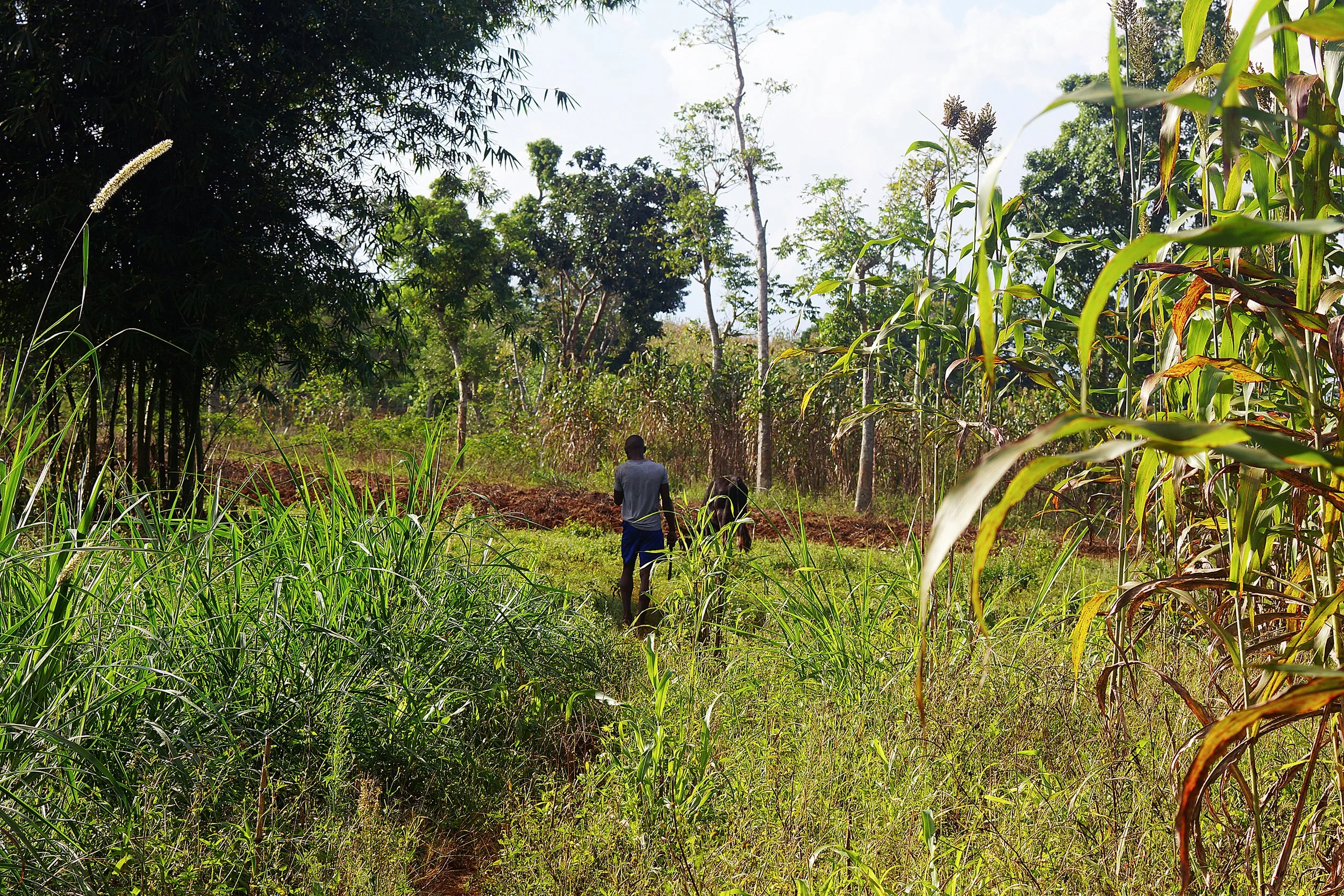
Participation in the program requires a genuine commitment to land stewardship. Farmers agree to adopt two to three regenerative practices on their own land as a condition of support. These practices may include planting trees in syntropic rows, building compost systems, establishing living mulch, or implementing water retention techniques. This exchange model strengthens long-term ecological stewardship and ensures that restoration occurs within farmer-managed landscapes rather than solely on project sites. It also builds a growing network of land stewards who are actively regenerating their own corner of Haiti.
Why It Matters
Haiti’s land crisis cannot be solved from the outside. It requires the knowledge, commitment, and leadership of the people who live closest to the soil. Our Farmer Support Program is built on that conviction.
When a farmer restores their land, they are contributing to watershed health, biodiversity, food security, and community resilience. Every participating farm is a node in a larger living system that is quietly regenerating the landscape of southern Haiti, one plot at a time.

Centering women’s work
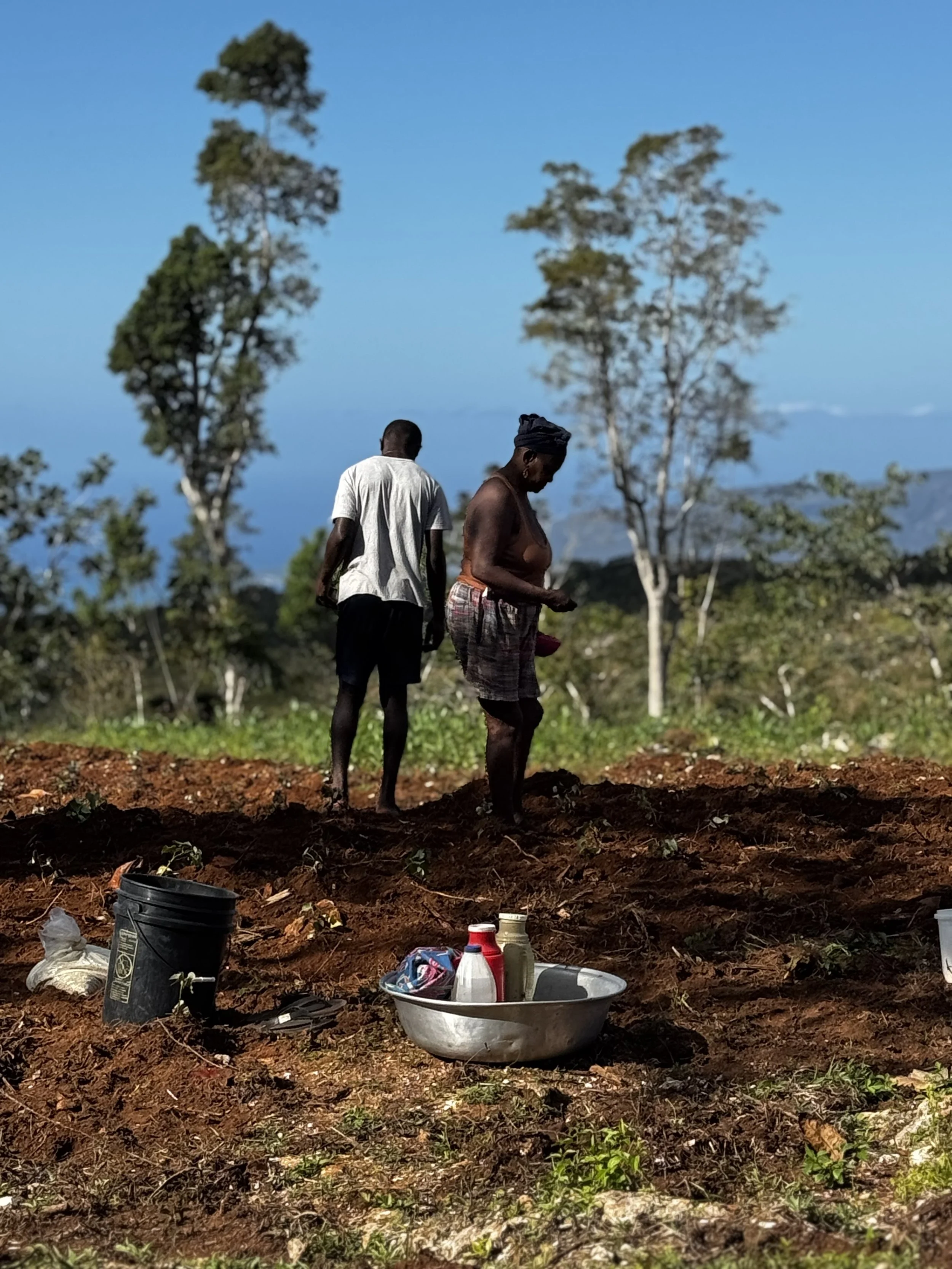
Through this program, we have learned something that has changed where we put our energy. In the farming households of Cap Rouge, women keep their own gardens, separate from the household plot. These gardens harvest later in the season, which means they are what carry the household through the dry months, after the main harvest is gone. The garden the family most depends on to survive the lean season is also the one that receives the least support.
The women maintain these gardens largely alone, often waiting for tools to be available before they can even plant. So the most essential work in the system is also the most overlooked. We are now focusing on strengthening support for women farmers, so that the work holding these households together is finally resourced the way it should be.
Impact So Far
-
Forty-eight farming families receive support through the Clara Lionel Foundation (CLF), within a wider Grown in Haiti network of more than fifty farming households practicing regenerative techniques across the Cap Rouge mountains.
-
Every seed packet, every sapling, every hand tool shared through this program was given freely. No loans. No conditions beyond a commitment to the land. This is what it looks like when support is rooted in trust rather than transaction.
-
The Cap Rouge mountains are not uniform. Elevation, slope, soil composition, and rainfall vary from one plot to the next. Our program works across these differences, adapting support to what each piece of land actually needs rather than applying a single template across the region.
-
Farmers who have gone through the program are now sharing what they have learned with their neighbors. Knowledge is moving laterally through the community, farmer to farmer, the way seeds and water naturally move through a healthy landscape. That is regeneration working the way it should.
support the farmers who feed haiti
Every donation to Grown in Haiti flows directly into this work. Seeds, trees, tools, training, and time on the land.