
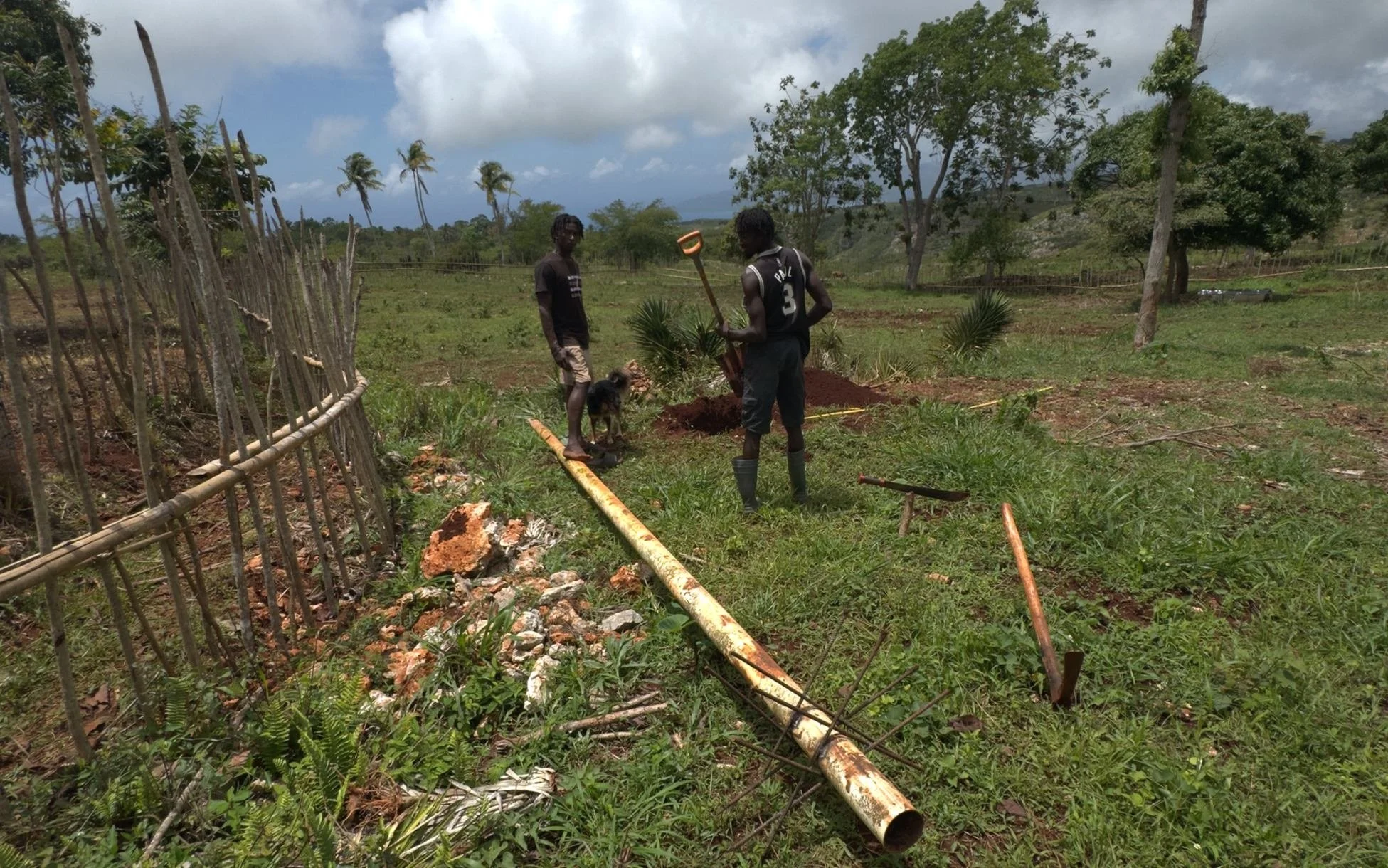
AGRINATIF
A Grown in Haiti initiative training a Haitian regenerative field team to design, lead, teach, and adapt this work for the landscapes and communities they know.
THE AGRINATIF TEAM
ANDY
Core field team · Full profile coming soon
FRANTZ
KENYA
Core field team · Full profile coming soon
Core field team · Full profile coming soon
The Team
Andy, Frantz, Kenya, and Pelou are the core AgriNatif field team. Updated portraits and short biographies will be added as they are ready.
What AgriNatif Can Take On
Regenerative orchards, agroforestry systems, land restoration, planting and maintenance, monitoring, and field implementation.
Start a Project
Landowners, farms, community groups, institutions, and aligned partners can support the team through paid projects suited to its developing capacity. Contact Grown in Haiti to discuss your land and goals.
Working with Farmers
AgriNatif is part of Grown in Haiti’s work alongside 80 farming families. Within this wider network, 48 families receive support through the Clara Lionel Foundation. Learn more about our Farmer Support Program.
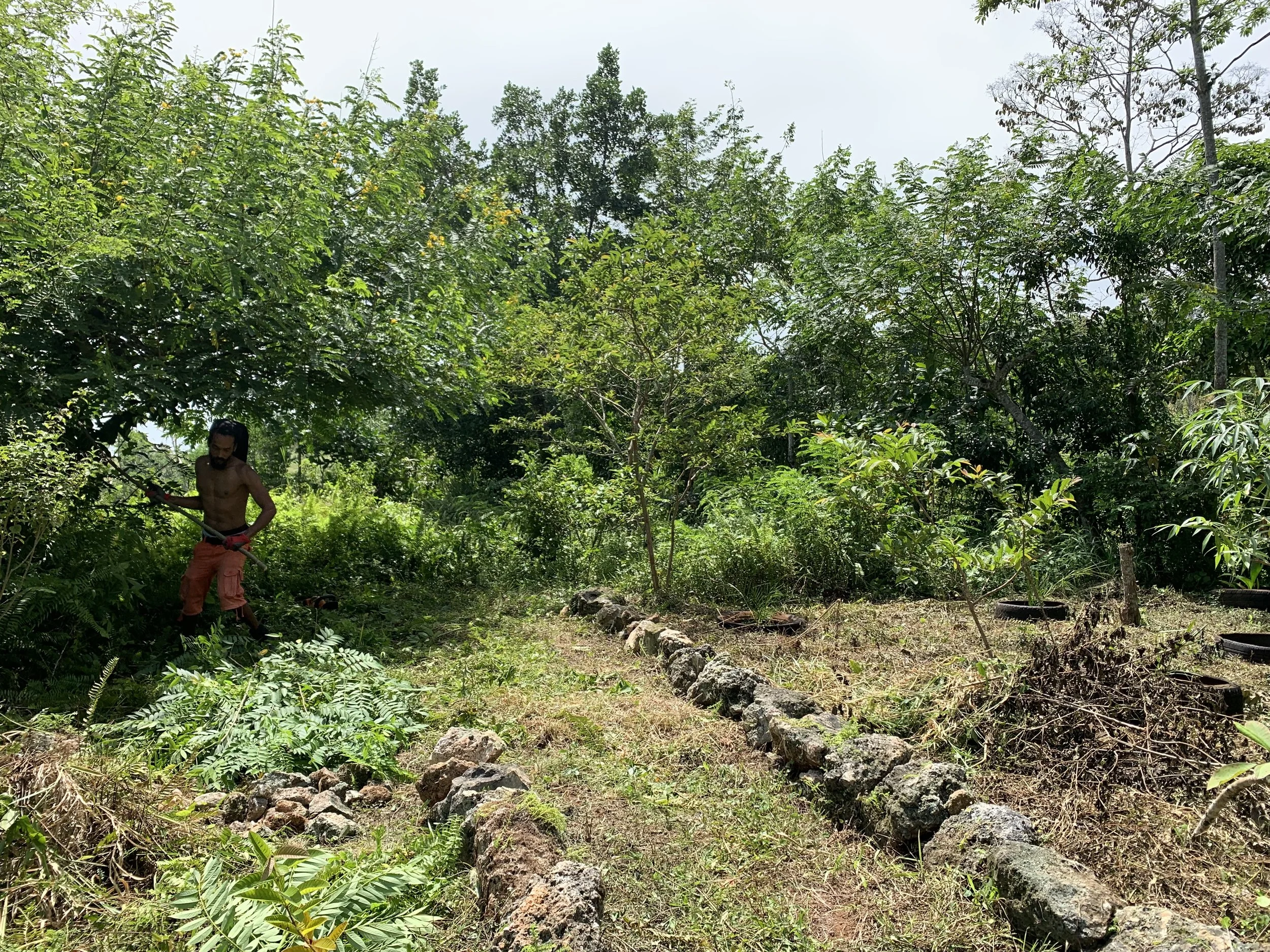
FIRST PAID ORCHARD PROJECT
The team is designing and installing a regenerative orchard for its first paid client in Nippes, near Miragoâne. This engagement builds professional experience in planning, installation, monitoring, and long-term stewardship while protecting the client’s exact identity and location.
HOW A PROJECT MOVES
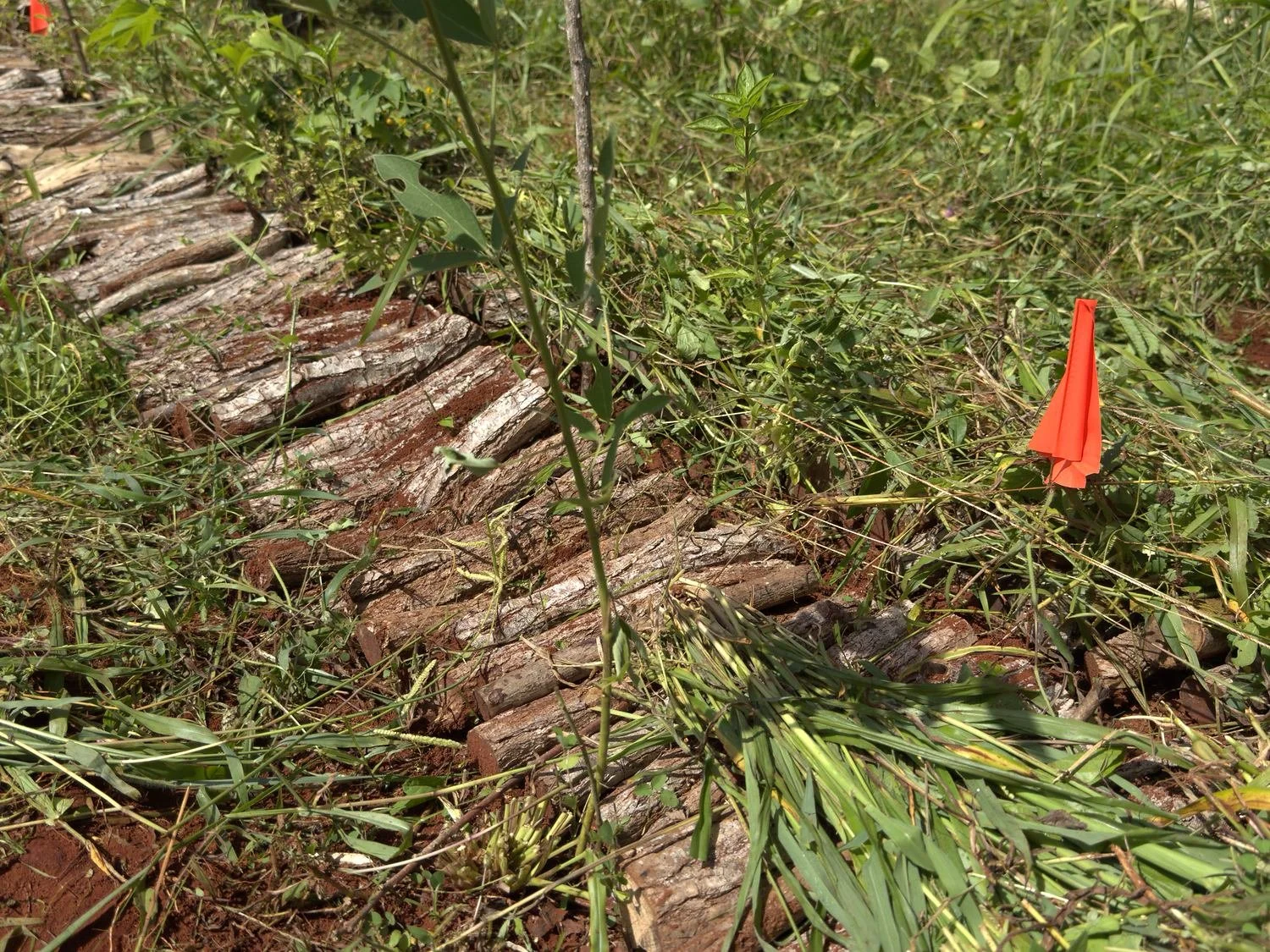
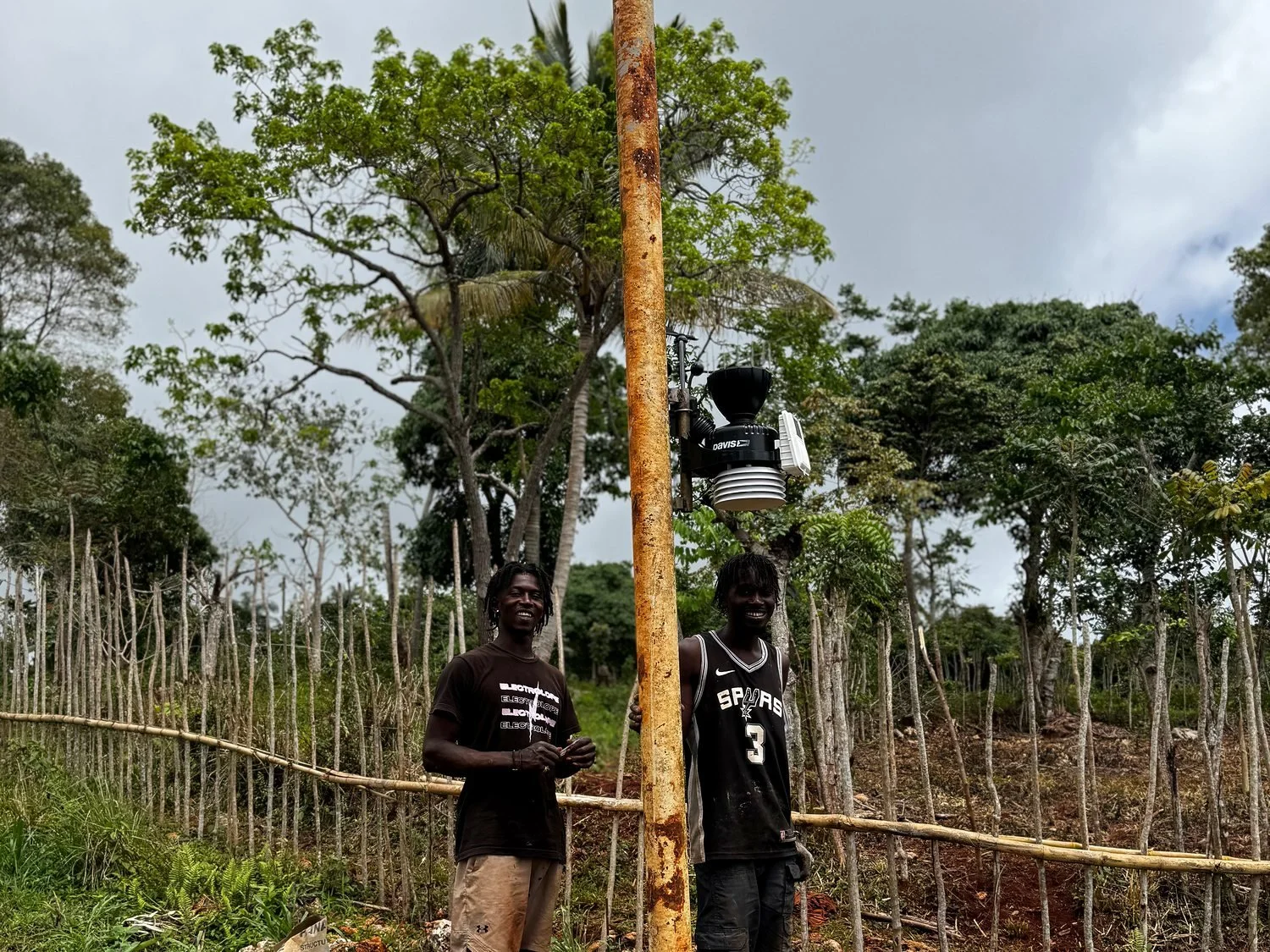
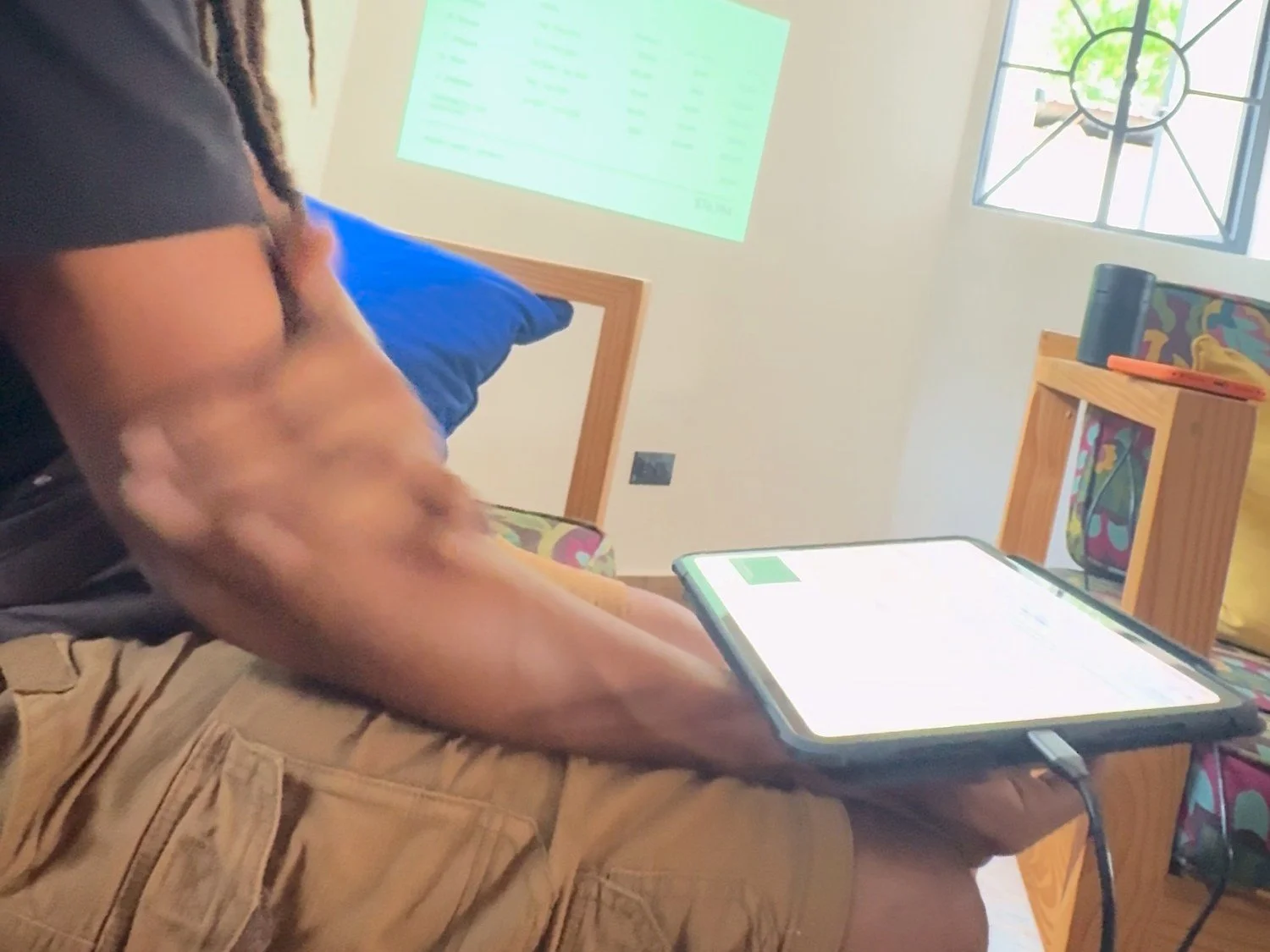
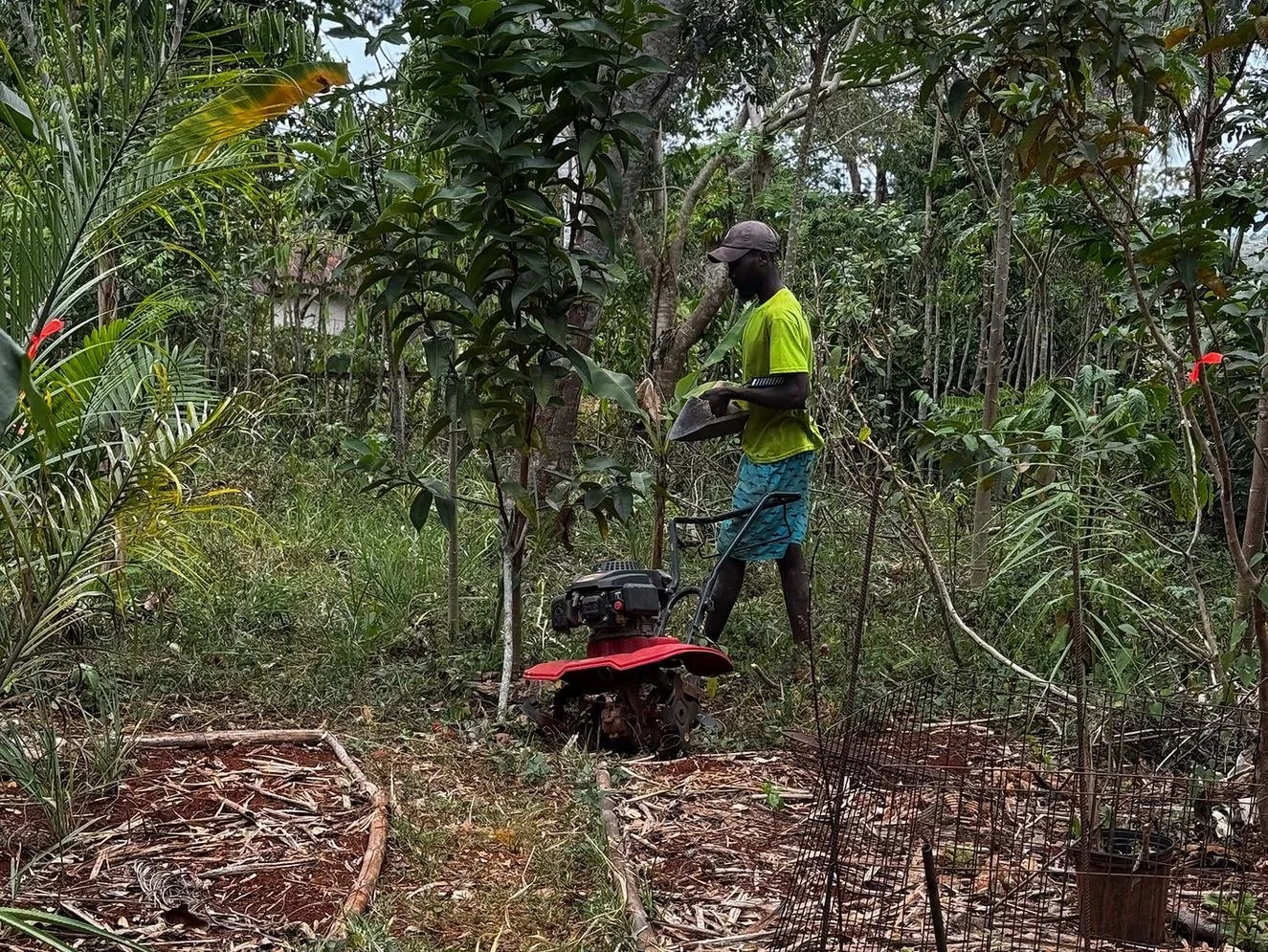
The team develops a practical regenerative design, work plan, materials list, and timeline.
Step 1We begin with land goals, site conditions, access, and the client’s priorities.
Step 2Follow-up monitoring and maintenance support the system as it establishes and evolves.
Step 3AgriNatif carries out field implementation while adapting to weather, soils, and on-site realities.
Step 4